Understanding Diverse Craft Traditions Across the US
Craft traditions across the United States are as diverse as its people. From quilting in the South to pottery in the Southwest, these practices not only reflect cultural heritage but also foster community through skill-sharing. This article explores various craft traditions, their significance, and how they can help enhance creativity and collaboration within skill-sharing clubs.
The Rich Tapestry of American Crafts
According to the American Craft Council, craft traditions in the U.S. are deeply rooted in history and often reflect the cultural backgrounds of communities. Each region boasts distinct techniques and materials, shaped by its geography and the people who inhabit it. For instance, quilting is a longstanding tradition in Southern states, where families often gather to create pieces that tell personal stories and preserve history.

"Craft traditions serve as a bridge connecting us to our ancestry, helping us understand the cultural narratives that shape our communities."
Regional Craft Highlights
- Pottery in the Southwest: Native American tribes have been creating pottery for centuries, employing techniques passed down through generations. This art form often utilizes natural clay and features intricate designs that carry cultural significance.
- Knitting in the Northeast: The tradition of knitting is prevalent in areas like New England, where the cold climate fosters an appreciation for warm, hand-made garments. Many clubs focus on teaching knitting techniques, which can improve dexterity and creativity.
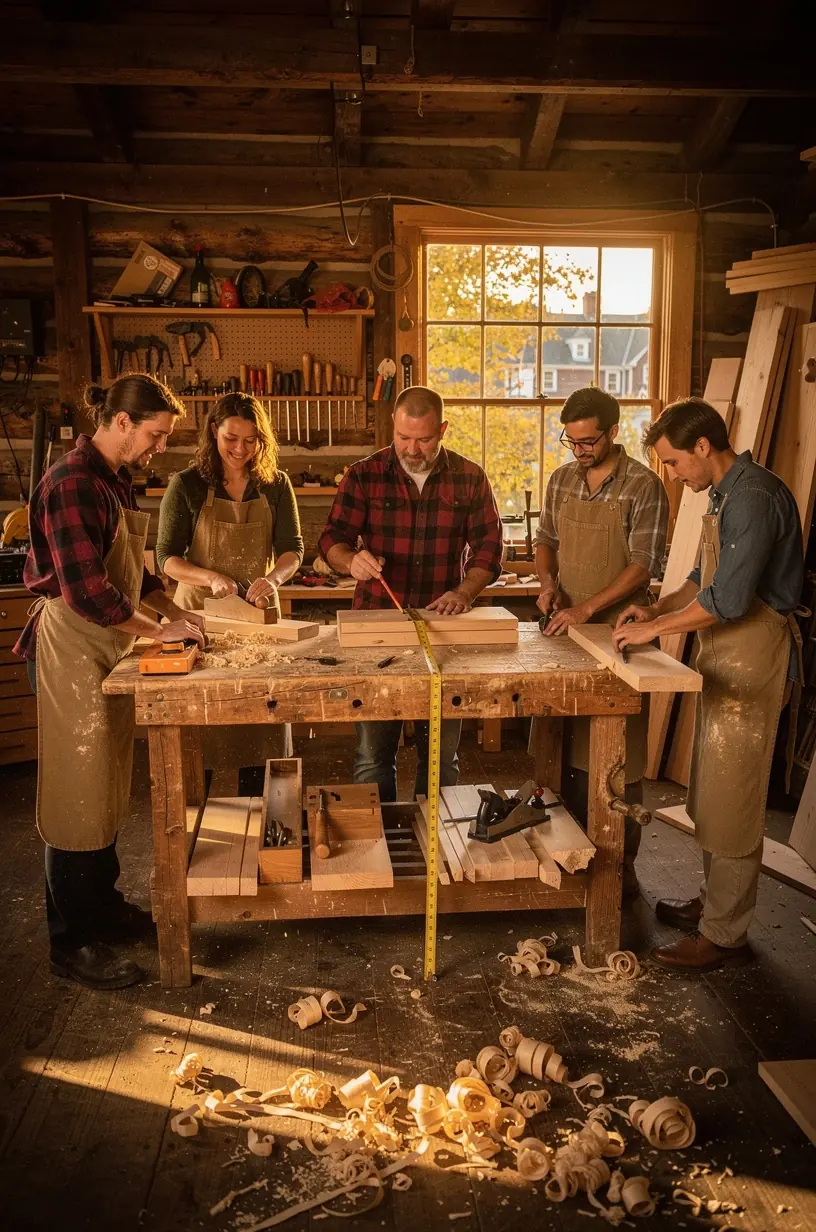
- Woodworking in the Pacific Northwest: With its rich forests, this region is known for its woodworking traditions. Craft clubs often host workshops, teaching members how to create everything from functional furniture to decorative art pieces.
Benefits of Engaging with Craft Traditions
Participating in craft traditions offers numerous benefits. Research indicates that engaging in creative activities can improve mental health and overall well-being. For example, a study published in the Journal of Positive Psychology found that individuals who regularly participate in crafts report higher levels of happiness and satisfaction.
Moreover, skill-sharing clubs provide an excellent platform for learning and collaboration. Members typically report feeling more connected to their community and appreciate the opportunity to share their knowledge with others.
Challenges and Considerations
While engaging in craft traditions can be rewarding, it is essential to acknowledge potential challenges. Many craft techniques involve a steep learning curve, requiring dedication and practice. For instance, mastering pottery typically takes several weeks of hands-on experience to achieve proficiency.
Additionally, specific crafts may require unique tools and materials, which can involve initial investments. Individuals interested in joining a skill-sharing club should be prepared to commit both time and resources to see meaningful progress.
Conclusion
Craft traditions across the United States offer a rich tapestry of cultural heritage and community connection. By exploring these diverse practices, individuals can enhance their creative skills while fostering meaningful relationships within skill-sharing clubs. As you embark on your crafting journey, remember that the process is just as important as the outcome, and each stitch or carve tells a unique story.
Learn More