Understanding the Benefits of Collaborative Learning
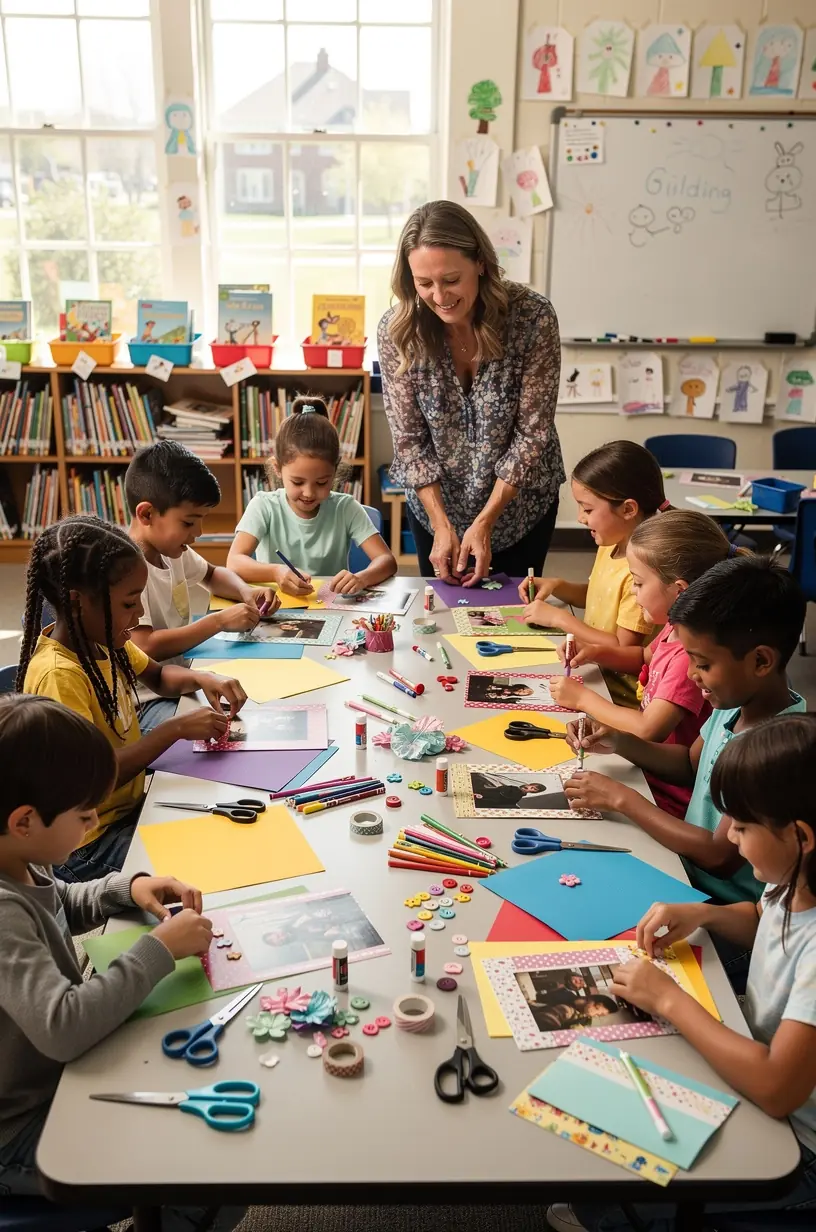
Collaborative learning has gained significant traction in educational settings, particularly in skill-sharing clubs where members engage in teaching crafts and creative activities. This article explores the numerous advantages of collaborative learning and how it fosters a rich learning environment.
What is Collaborative Learning?
Collaborative learning involves individuals working together towards a common goal, typically involving knowledge sharing and skill development. This educational approach leverages the diverse experiences and insights of participants, creating a dynamic learning landscape. Research shows that this method can enhance the learning experience, making it more engaging and effective.

"Collaborative learning has been shown to increase retention rates and improve understanding of complex concepts among participants." — Educational Researcher
Benefits of Collaborative Learning
- Enhanced Knowledge Retention: Studies indicate that individuals who engage in collaborative learning typically retain information better than those who learn independently. This can be attributed to peer discussions and the active engagement required in group settings.
- Improved Critical Thinking Skills: Engaging with others often challenges participants to think critically and defend their viewpoints. This interaction cultivates an environment where questioning and exploration are encouraged, which can lead to deeper understanding.
- Development of Social Skills: Collaborative learning fosters communication, teamwork, and conflict resolution abilities. Experts recommend this approach because it prepares individuals for real-world scenarios in both professional and personal contexts.
Challenges to Consider
While collaborative learning offers numerous benefits, it is essential to acknowledge some limitations. Successful implementation often requires:
- Time Commitment: Collaborative learning environments typically take longer to yield results, as participants need sufficient time to engage meaningfully with each other.
- Effort and Dedication: Participants must be willing to contribute actively, which can involve a learning curve, especially for those who may be uncomfortable sharing their ideas.
- Effective Group Dynamics: The effectiveness of collaborative learning is highly dependent on group composition and dynamics. It works best when members are committed and open to collaboration.
Practical Application in Skill-Sharing Clubs
In skill-sharing clubs, members can apply collaborative learning principles by:
- Organizing regular sessions where participants can teach and learn from each other, allowing knowledge to flow freely.
- Setting clear expectations for participation, which can help in building a supportive and engaging environment.
- Encouraging feedback and reflection to help members improve their teaching and learning processes.
Conclusion
Collaborative learning is a powerful approach that can significantly enhance skill-sharing clubs focused on crafts and creative activities. By leveraging the strengths and insights of all members, these environments can foster deeper understanding and improved social skills. As you consider incorporating collaborative learning into your club, remember to set realistic expectations regarding time and effort, and create a supportive atmosphere that encourages active participation.