Navigating Challenges in Teaching Creative Activities
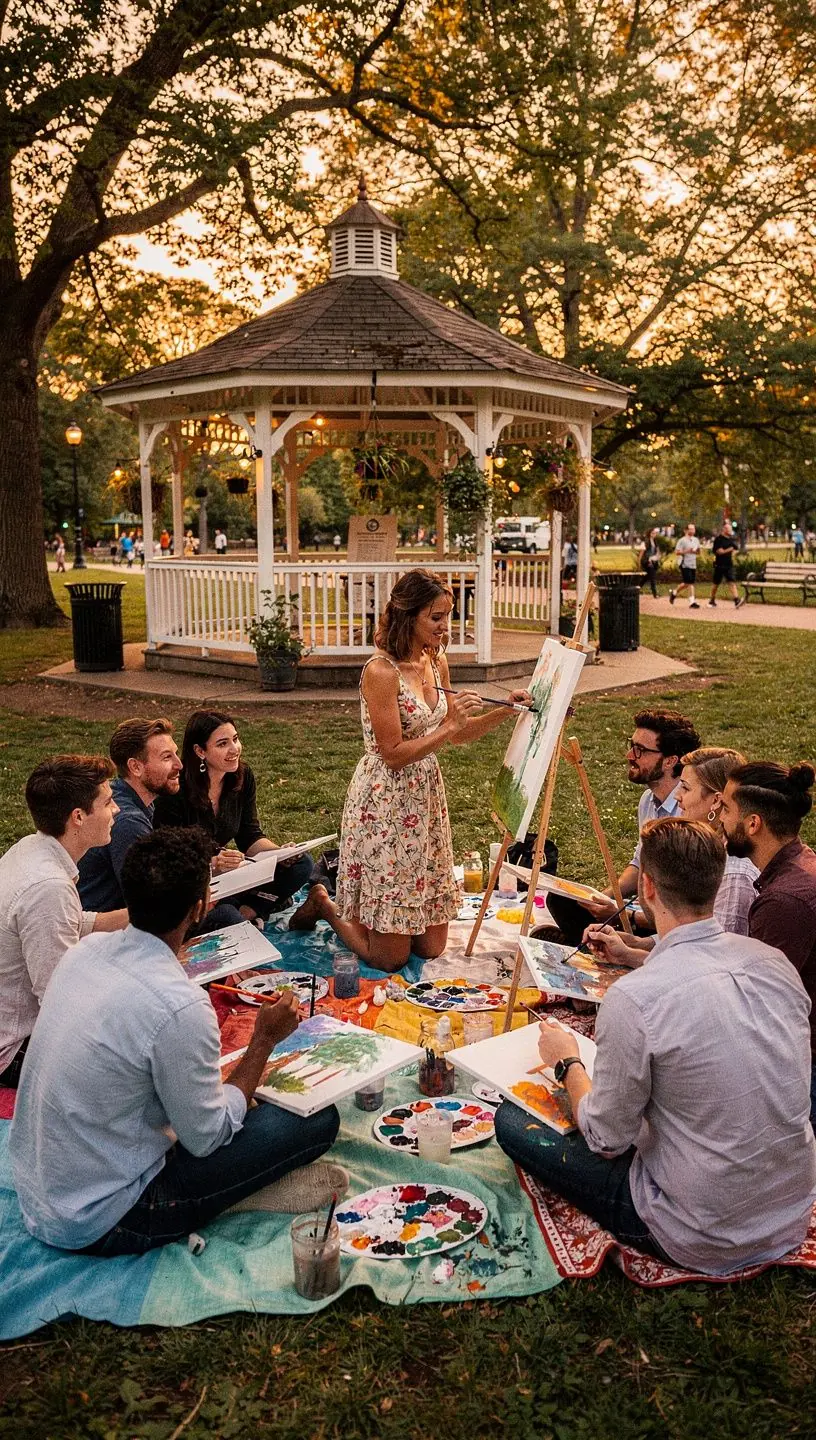
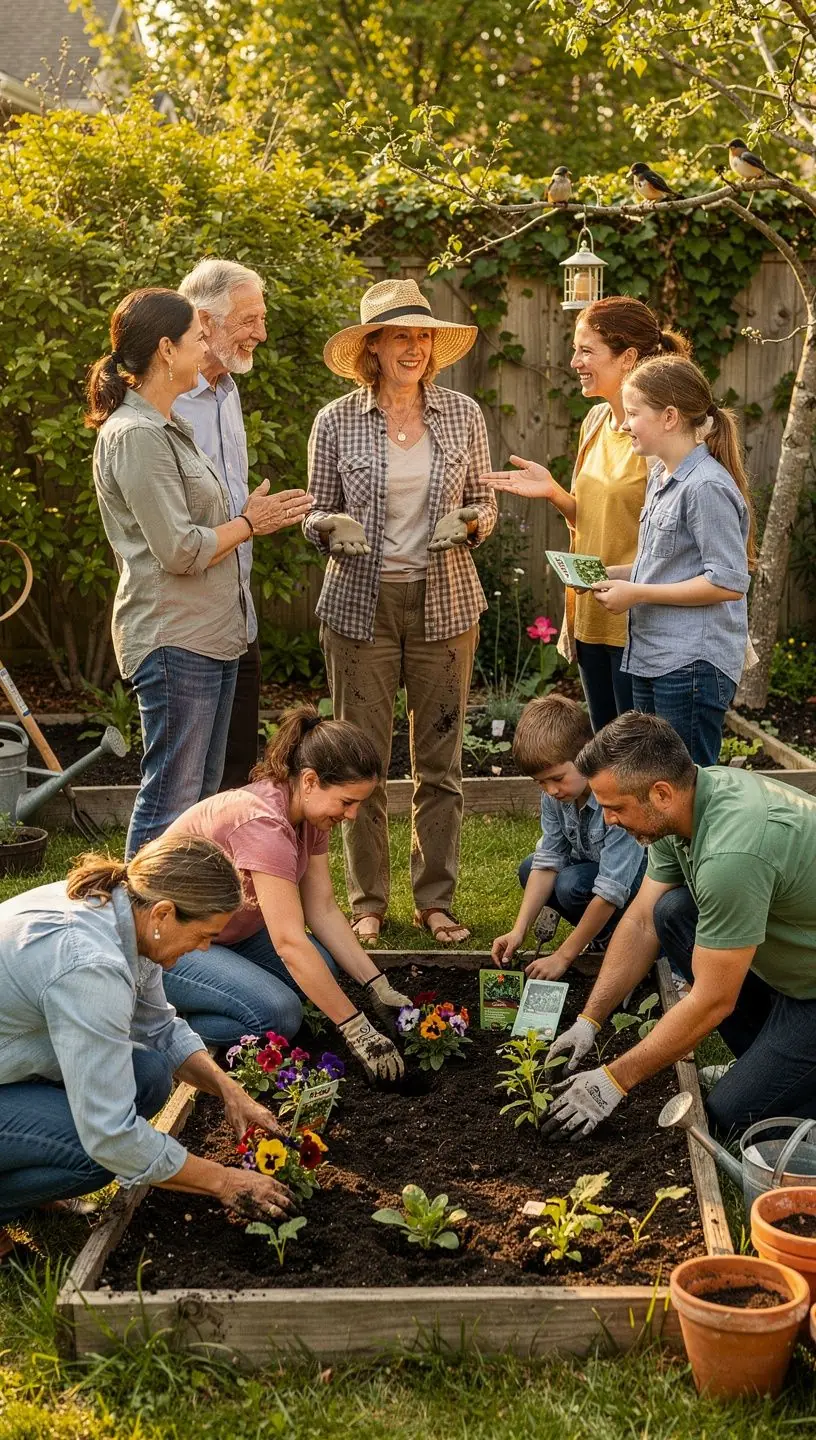
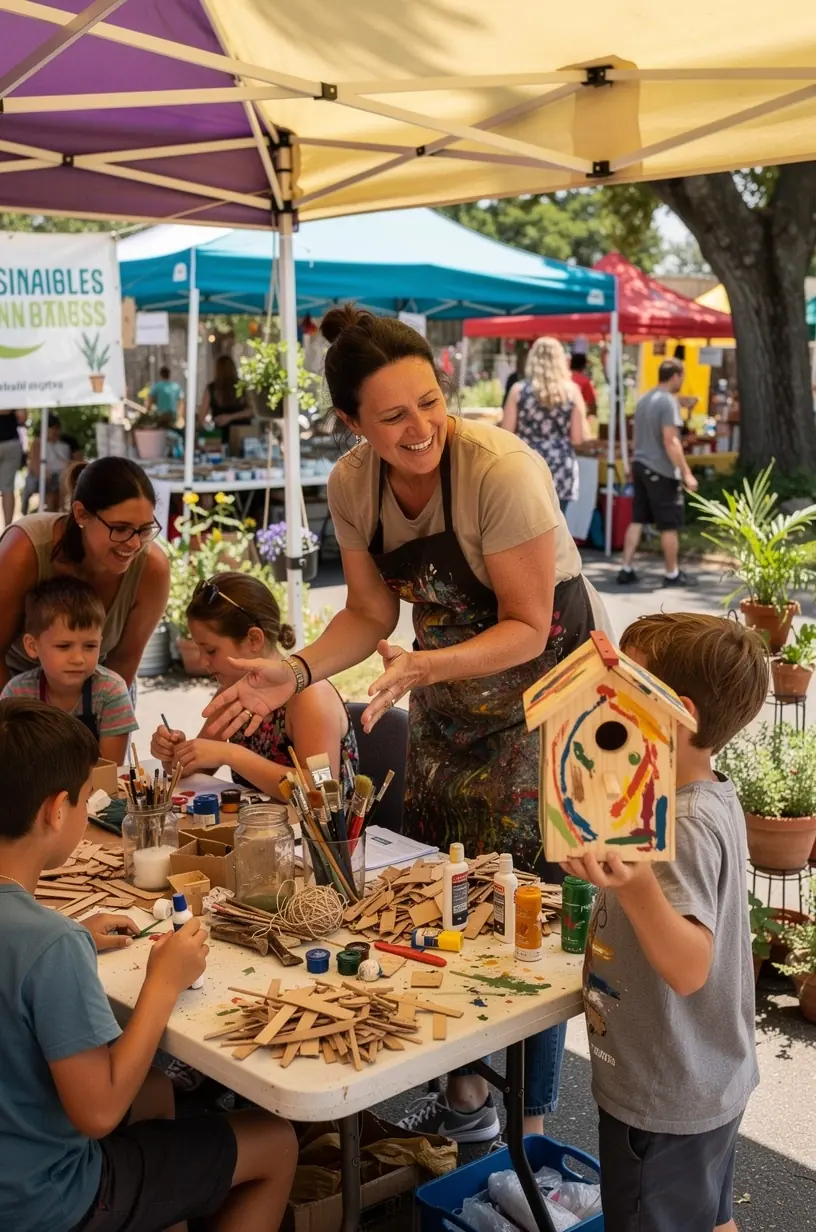
Teaching creative activities in skill-sharing clubs can be a rewarding yet challenging experience. Many instructors often encounter obstacles ranging from varying skill levels among participants to difficulty in maintaining engagement during sessions. This article will explore practical strategies to navigate these challenges effectively.
Understanding the Basics of Creative Instruction
According to research in educational psychology, effective teaching in creative fields hinges on understanding the diverse backgrounds and skill levels of participants. Experts recommend that instructors assess the initial proficiency of their members to tailor sessions accordingly. This approach not only fosters a positive learning environment but also enhances the overall experience for all participants.
"Education is not the filling of a pail, but the lighting of a fire." - William Butler Yeats
Common Challenges and Solutions
- Varying Skill Levels: Instructors often face a spectrum of abilities within their groups. An effective method is to implement a tiered approach, offering beginner, intermediate, and advanced sessions. This structure allows all members to participate at their own level, making learning more accessible.
- Maintaining Engagement: Many users report that creative activities can sometimes lead to disengagement. Incorporating interactive elements, such as group projects or peer feedback, can increase participation and motivation. Research indicates that collaborative learning often enhances retention and enjoyment.
- Resource Accessibility: Instructors should be aware that not all participants may have access to the same materials. It's advisable to provide a list of affordable alternatives or offer community resources for acquiring supplies. This ensures inclusivity and allows everyone to fully engage in the creative process.
Practical Application of Techniques
Implementing these strategies requires a thoughtful approach. Here are steps instructors can take:
- Identify Participants' Skill Levels: Conduct a brief survey before the first class to gauge skills. This information can guide the planning process and ensure sessions are appropriately challenging.
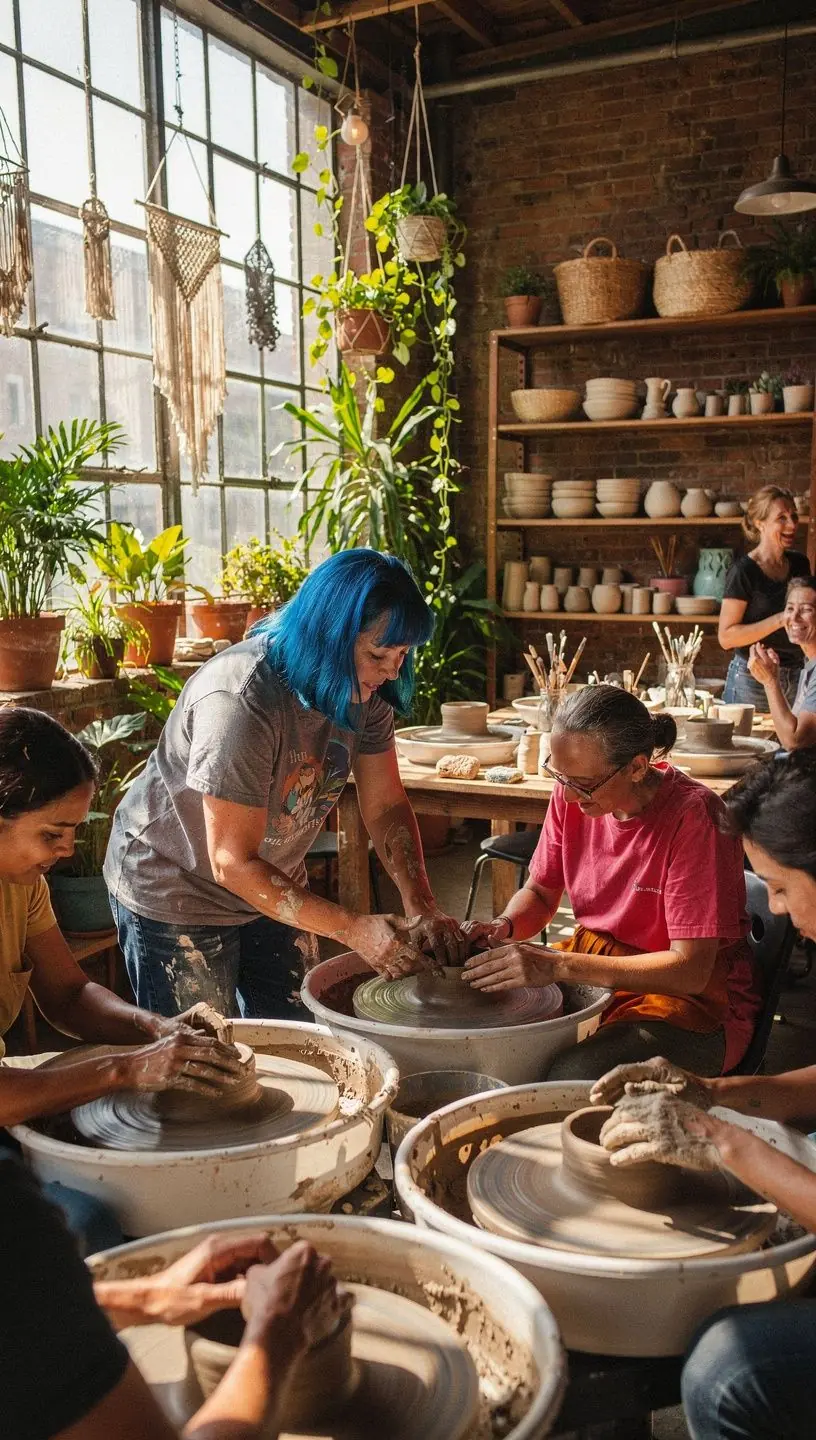
- Plan Interactive Sessions: Design activities that encourage collaboration. For example, in a pottery class, pair beginners with advanced learners to facilitate knowledge sharing and mentorship.
- Provide Clear Instructions: Detailed, step-by-step instructions can help participants follow along and reduce anxiety. Consider using visual aids, such as videos or diagrams, which studies show can enhance understanding.
Acknowledging Limitations
While these techniques can be effective, it's important to communicate to participants that learning a new craft typically takes time. Commitment is essential, and results may appear gradually over the course of several sessions. Many users find that consistent practice over 4-6 weeks is necessary to see significant improvement.
Conclusion
Teaching creative activities in skill-sharing clubs presents unique challenges, but with a thoughtful approach and the right strategies, instructors can foster an engaging and supportive environment. By understanding participants' needs, maintaining engagement, and providing accessible resources, educators can significantly enhance the learning experience. Remember, while the journey may have its difficulties, the rewards of witnessing creative growth are invaluable.