The Role of Community in Skill-Sharing Clubs
Skill-sharing clubs are rapidly gaining popularity across the United States, serving as platforms where individuals can come together to teach, learn, and collaborate on various crafts and creative activities. Understanding the role of community in these clubs is crucial for fostering a supportive environment that encourages participation and skill development.
Understanding the Basics of Skill-Sharing Clubs
Skill-sharing clubs typically operate on the principle that sharing knowledge and experiences can enhance individual skill sets while building a sense of community. According to research, community engagement can significantly improve learning outcomes, with studies showing that participants in collaborative environments often retain information better than those who learn in isolation. This is mainly because learning in a social context allows for immediate feedback and diverse perspectives.
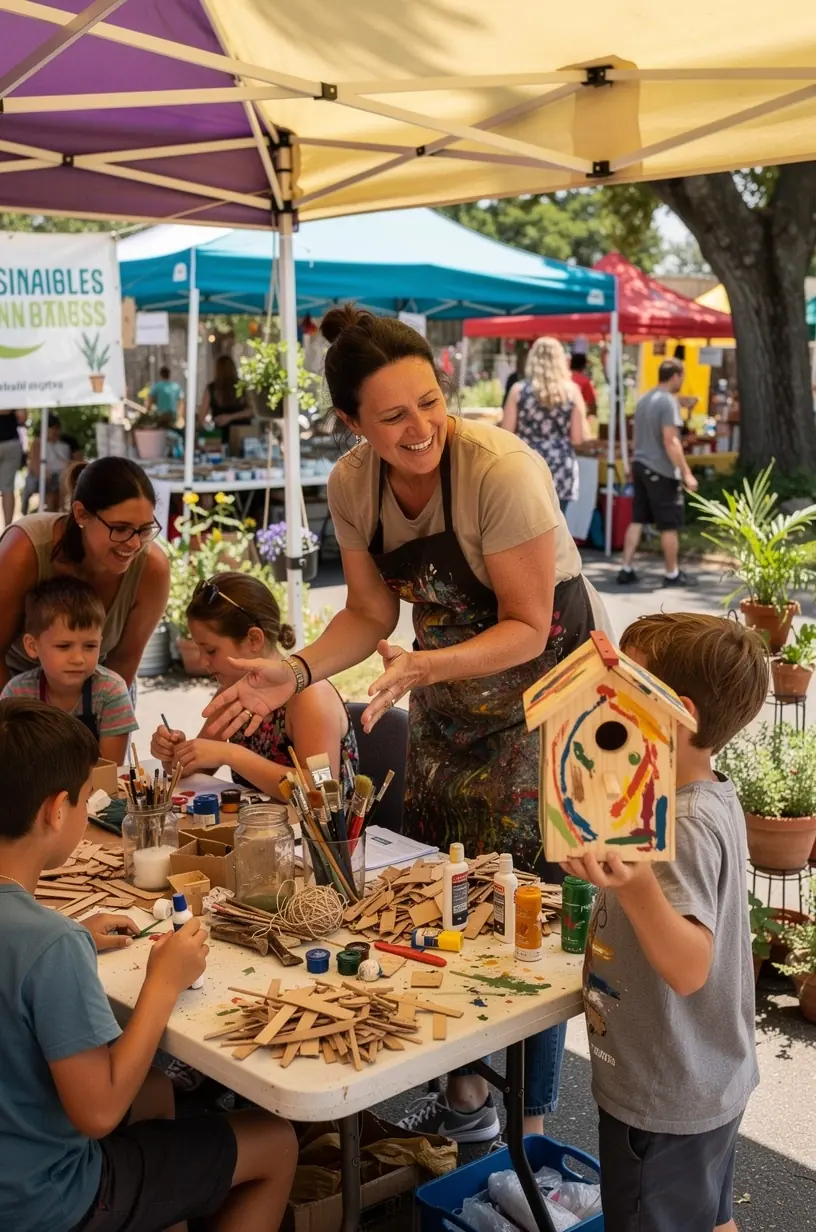
"Participation in community-based learning can enhance both personal growth and social cohesion among members." - Community Learning Expert
Community Support: A Key Element
The support provided by community members is essential for the success of skill-sharing clubs. Here’s how community involvement typically manifests:
- Peer Mentorship: More experienced members often take on mentorship roles, helping newbies navigate challenges, which can be particularly beneficial for those just beginning their creative journey.
- Group Accountability: Many users report that being part of a group motivates them to commit more time and effort to learning new skills. This often leads to increased attendance and participation.
- Resource Sharing: Members frequently share materials, tools, and techniques, which can reduce individual costs and enhance the overall learning experience.
Creating an Inclusive Environment
Creating an inclusive atmosphere is vital in skill-sharing clubs. Research indicates that groups that embrace diversity and inclusivity generally perform better and foster richer discussions. Here are some ways to promote inclusiveness:
- Encourage Diverse Participation: Clubs should actively seek members from various backgrounds to ensure a wide range of skills and perspectives.
- Foster Open Communication: Establishing open channels for feedback and discussion can help all members feel valued and heard.
- Adapt to Individual Needs: Recognizing different learning styles and adapting teaching methods accordingly can make a significant difference in community engagement and satisfaction.
Challenges and Considerations
While skill-sharing clubs offer numerous benefits, they also come with challenges. These may include:
- The need for regular commitment: Members typically need to dedicate several hours a week to participate fully, which may not be feasible for everyone.
- Potential for unequal participation: Clubs may experience situations where some members dominate discussions or activities, which can discourage quieter members from participating.
- Time investment for organization: Setting up and maintaining a skill-sharing club often requires a significant time commitment and organizational skills.
Conclusion
In conclusion, the role of community in skill-sharing clubs is multifaceted and profoundly impactful. By fostering an inclusive environment that encourages participation and collaboration, these clubs can enhance individual learning experiences while building strong social bonds among members. This approach not only improves skill acquisition but also nurtures a sense of belonging, which is fundamental to the success of any community initiative. As skill-sharing clubs continue to evolve, understanding and prioritizing the community aspect will be essential for their ongoing success.
Learn More