Practical Tips for Starting a Local Skill-Sharing Group
Starting a local skill-sharing group can be a rewarding way to build community and share knowledge. This article offers practical tips, grounded in research and expert recommendations, to help you effectively launch your own group.
Understanding the Basics of Skill-Sharing
Skill-sharing groups bring together individuals who want to teach and learn various skills, often in a friendly, collaborative environment. According to experts in community engagement, these groups can foster creativity and strengthen local connections, making them particularly beneficial in today’s fast-paced society.

"Communities thrive when individuals share their knowledge and skills, resulting in mutual growth and creativity." - Community Development Expert
Identifying Your Group's Focus
Before you start, it’s essential to determine the type of crafts and creative activities that will resonate with potential members. Many successful skill-sharing groups focus on specific themes, such as:
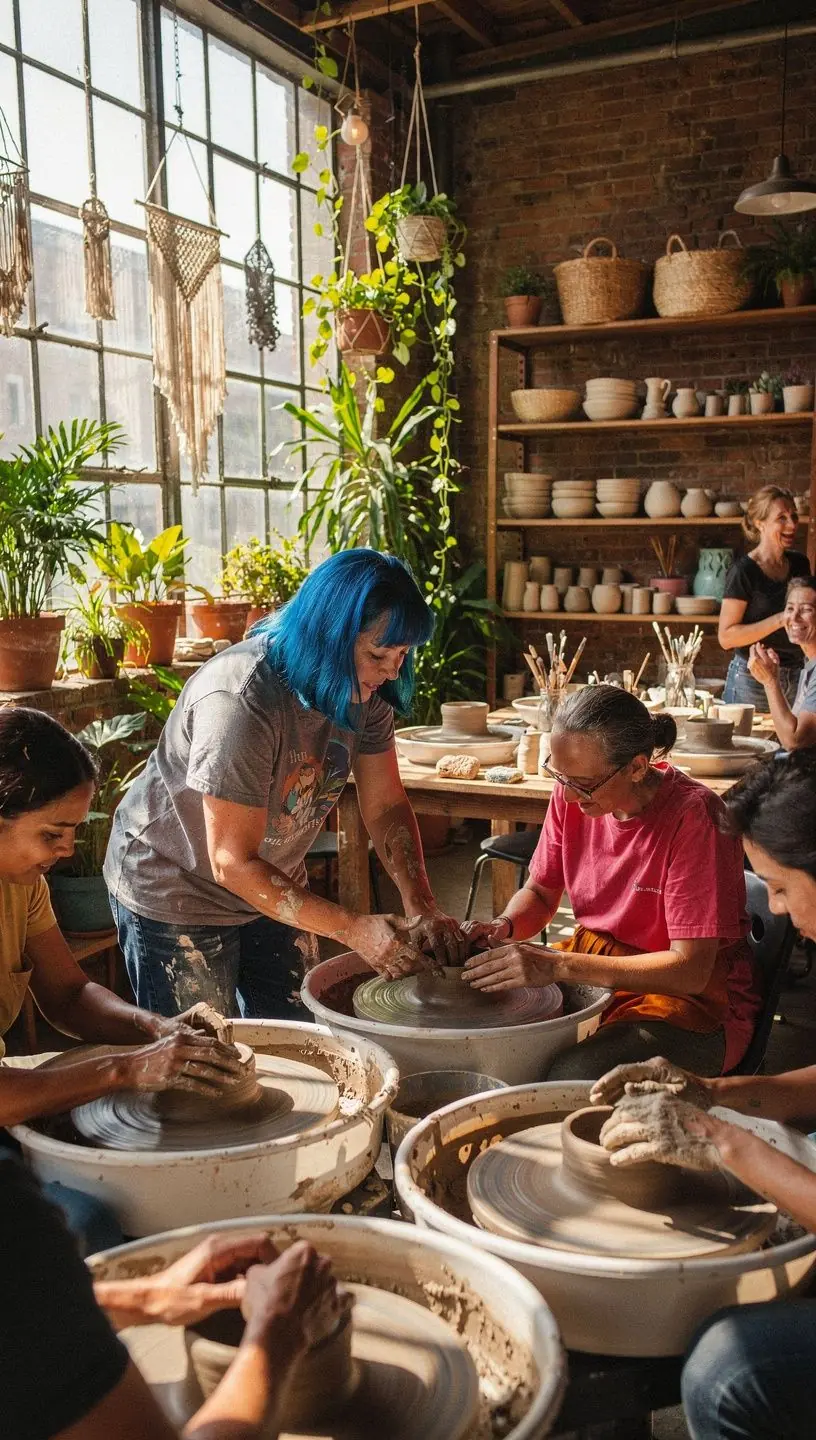
- Crafts: Knitting, woodworking, and pottery are popular choices.
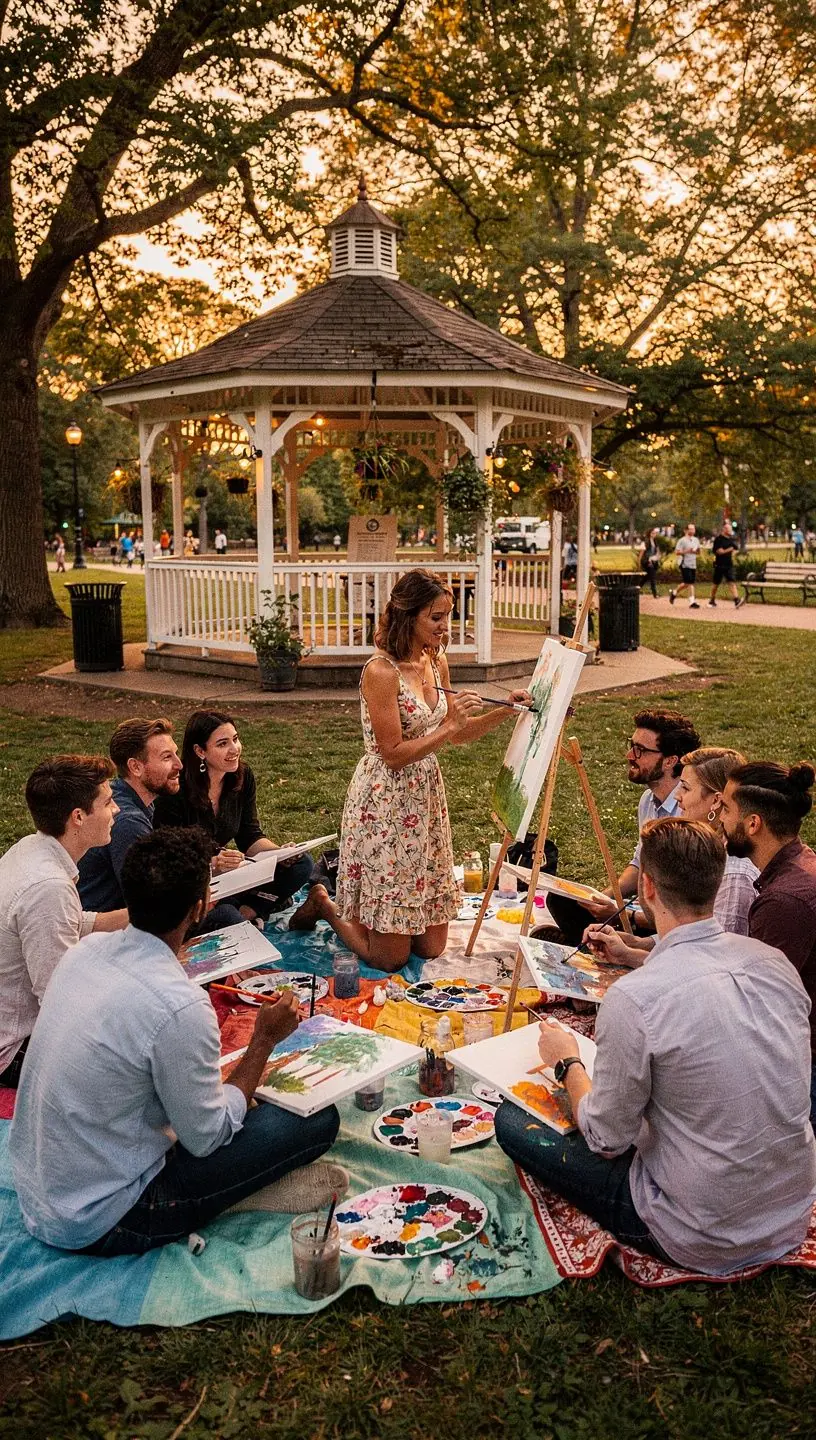
- Creative Arts: Painting, photography, and writing workshops.
- Practical Skills: Cooking, gardening, or DIY home projects.
Research indicates that groups with clearly defined themes often attract more participants and are more likely to maintain engagement over time.
Finding Participants and Promoting Your Group
Once you've established your focus, it’s time to find participants. Many organizers recommend utilizing social media platforms, local community boards, and word-of-mouth to spread the word. In most cases, creating an online presence can significantly enhance visibility and recruitment efforts.
Additionally, consider the following strategies:
- Host an Introductory Event: This can help people get a feel for what your group will offer.
- Engage with Local Businesses: Partnerships with local craft stores or community centers can provide resources and venues.
- Utilize Online Platforms: Websites like Meetup or Facebook Groups can be effective for organizing and managing your members.
Structuring Your Meetings
Effective meetings are crucial for maintaining interest and participation. Typically, groups meet weekly or bi-weekly, and the structure can vary depending on the skill being shared. Here are some suggested formats:
- Short demonstrations followed by hands-on practice.
- Guest speakers or skilled artisans who can share their expertise.
- Open forums for sharing ideas and challenges faced in projects.
Experts suggest that a collaborative and inclusive atmosphere will enhance learning and retention, making it easier for participants to engage actively.
Acknowledging Challenges and Limitations
While starting a skill-sharing group can be fulfilling, it’s important to recognize potential challenges. Building a community takes time and may require consistent effort over several weeks or months. Additionally, consider:
- Time Commitment: Organizing and managing a group typically requires several hours each week.
- Resource Availability: Not all skills may have readily available materials or spaces conducive to learning.
- Member Engagement: Keeping participants motivated and engaged may involve ongoing communication and feedback.
Conclusion
Starting a skill-sharing group can be a fulfilling endeavor that fosters creativity and community. By following these practical tips and acknowledging the challenges involved, you can create an environment where members feel valued and eager to learn. Remember, the journey to building a thriving group requires dedication, but the rewards often include strengthened community ties and a wealth of shared knowledge.
Learn More