
The Impact of Skill Sharing on Personal Development
Skill-sharing clubs have gained popularity across the US, creating communities where members can teach and learn various crafts and creative activities. This article explores how participating in these clubs can significantly contribute to personal development.
Understanding the Basics of Skill Sharing
Skill sharing involves individuals coming together to exchange knowledge and skills. According to studies, engaging in skill-sharing activities can enhance both personal and social dimensions of development. Participants often report increased self-esteem and a sense of belonging, as they contribute their unique skills while learning from others.
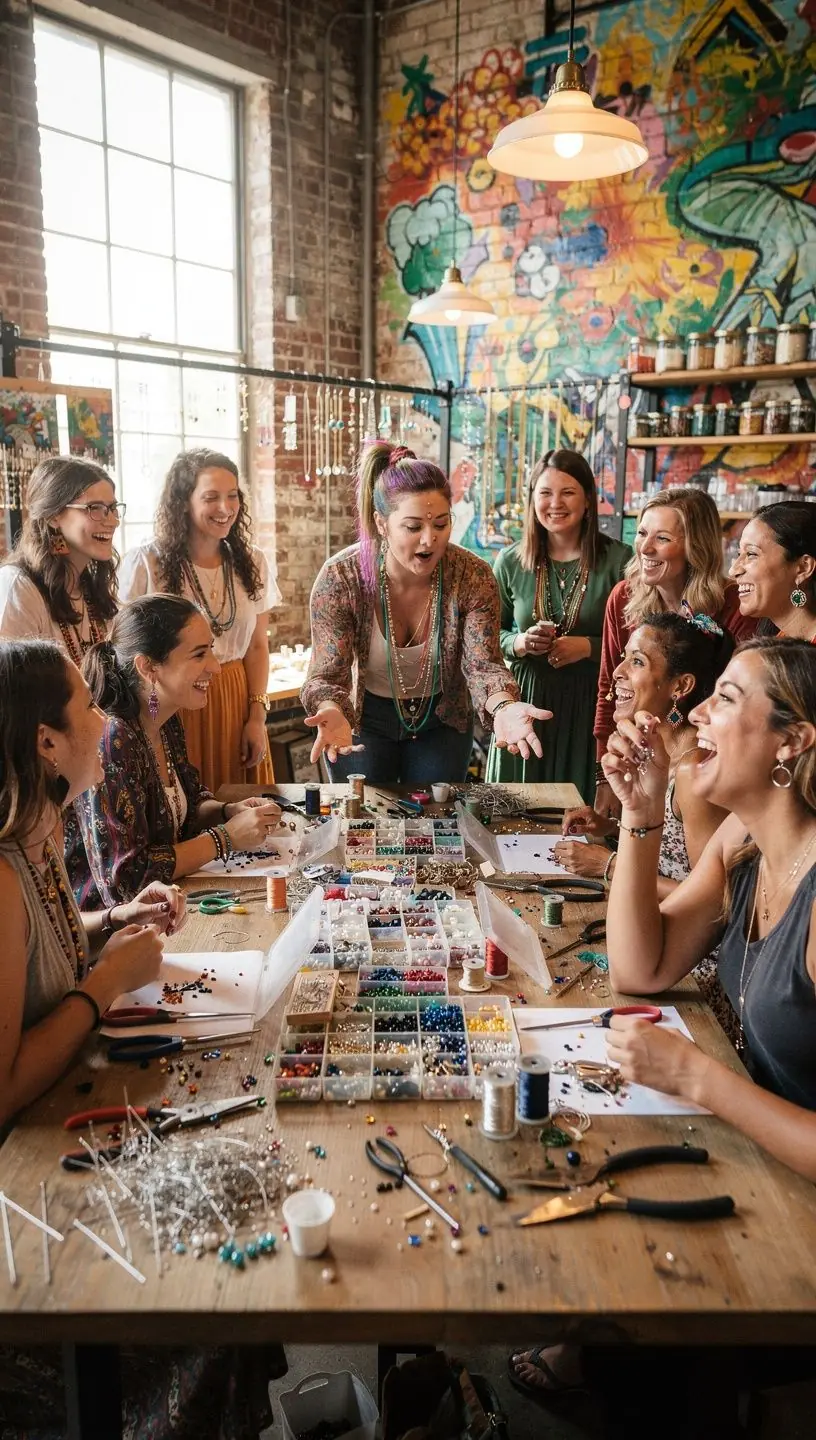
"Skill-sharing promotes not just learning but also community engagement, fostering relationships that can lead to further personal growth." – Community Development Research Institute
The Benefits of Skill Sharing
- Skill Enhancement: Many users find that teaching others helps solidify their own understanding of a skill. Research indicates that teaching can improve mastery by up to 25%.
- Social Connectivity: Participating in a skill-sharing club can help individuals create a network of like-minded people. This is particularly beneficial for those who may feel isolated or disconnected.
- Confidence Building: Regularly sharing knowledge and skills can boost self-confidence. Experts recommend that engaging in public teaching or demonstrations can significantly improve public speaking abilities over time.
How Skill Sharing Encourages Effective Learning
The principle behind skill sharing is rooted in active learning methodologies. When participants engage in hands-on activities, they are more likely to retain information and develop practical skills. Typically, these clubs employ a peer-to-peer learning approach, which research shows can enhance engagement and motivation. This method works best when:
- Participants are encouraged to ask questions and interact.
- Group sizes remain manageable, allowing for personal attention.
- Sessions are structured yet flexible, accommodating various learning styles.
Challenges and Considerations
While skill-sharing can be a rewarding experience, it does come with challenges. Participants should be aware that:
- Commitment is essential; many clubs typically require regular attendance to reap the full benefits.
- Not everyone may feel comfortable teaching or presenting their skills initially, and it often requires practice to build this confidence.
- It may take time to find a club that aligns with personal interests and learning styles—participants may need to try a few before settling into the right fit.
Conclusion
In summary, skill-sharing clubs offer substantial opportunities for personal development by fostering an environment of collaboration and creativity. By engaging in these communities, individuals can enhance their skills, build confidence, and connect with others who share their passions. While challenges exist, the potential benefits make skill sharing a valuable pursuit for personal growth.
Learn More