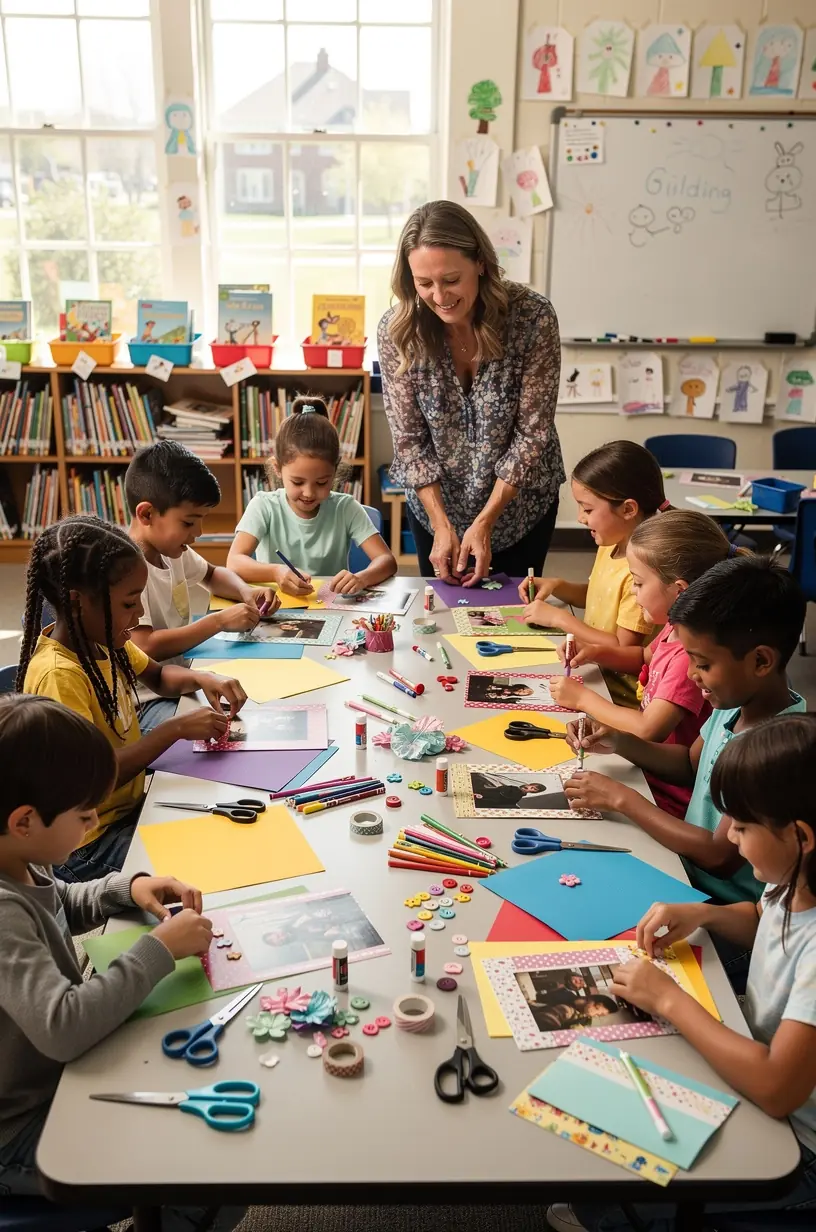
How to Facilitate Craft Workshops Effectively
Craft workshops can be a rewarding way to share skills and foster creativity within your community. However, facilitating an engaging and effective workshop requires planning and understanding the needs of your participants. This article will provide practical insights into how to run successful craft workshops that not only educate but also inspire.
Understanding the Basics of Craft Workshops
To facilitate a craft workshop effectively, it is essential to grasp the principles behind group learning and creativity. According to research from the American Journal of Community Psychology, collaborative learning environments can enhance creativity and motivation among participants. Experts recommend creating a supportive atmosphere where participants feel comfortable expressing their ideas and asking questions.

"The most effective workshops are those where participants feel both challenged and supported."
Planning Your Workshop
Successful workshops require careful planning. Here are some key factors to consider:
- Define Objectives: Clearly outline what participants should achieve by the end of the workshop. This typically involves setting realistic goals and learning outcomes.
- Choose Appropriate Materials: Select materials and tools that are accessible. Ensure that they are suitable for the skill levels of your participants, as this can significantly impact their experience.
- Time Management: Allocate sufficient time for each activity. Research indicates that workshops of 2-3 hours yield better engagement, allowing participants to immerse themselves in the craft without feeling rushed.
Creating an Engaging Learning Environment
The environment in which your workshop takes place can greatly influence participants' learning experiences. Consider the following strategies:
- Foster Interaction: Encourage participants to interact with each other. Many users report that sharing ideas and collaborating enhances their learning experience.
- Provide Clear Instructions: Break down each step of the craft into manageable parts. Studies show that clear, concise instructions can help improve retention and understanding.
- Be Adaptable: Be prepared to adjust your approach based on the dynamics of the group. Flexibility can help accommodate varying skill levels and interests, making the workshop more enjoyable for everyone involved.
Facilitating the Workshop
During the workshop, your role as a facilitator is to guide and support participants. Here are some strategies to enhance facilitation:
- Encourage Questions: Create an open atmosphere where participants feel comfortable asking questions. This can help clarify misunderstandings and foster a collaborative spirit.
- Provide Feedback: Offer constructive feedback throughout the workshop. This not only aids learning but also boosts confidence among participants.
- Celebrate Achievements: Acknowledge the progress of individuals and the group as a whole. Recognizing achievements can motivate participants and enhance their overall experience.
Conclusion
Facilitating craft workshops can be a fulfilling experience when approached thoughtfully. By planning effectively, creating a supportive environment, and fostering engagement, you can help participants unlock their creativity and develop new skills. Remember that every group is different, and what works well in one scenario may require adjustments in another. With practice and dedication, you can create workshops that are not only educational but also enjoyable.
Learn More