Exploring Different Craft Techniques in Skill Sharing
In the vibrant world of skill-sharing clubs, members come together to teach and learn various crafts and creative activities. This article delves into popular craft techniques that are often shared in these settings, providing insights into their methodology, application, and potential benefits.
Understanding the Basics of Skill Sharing in Crafts
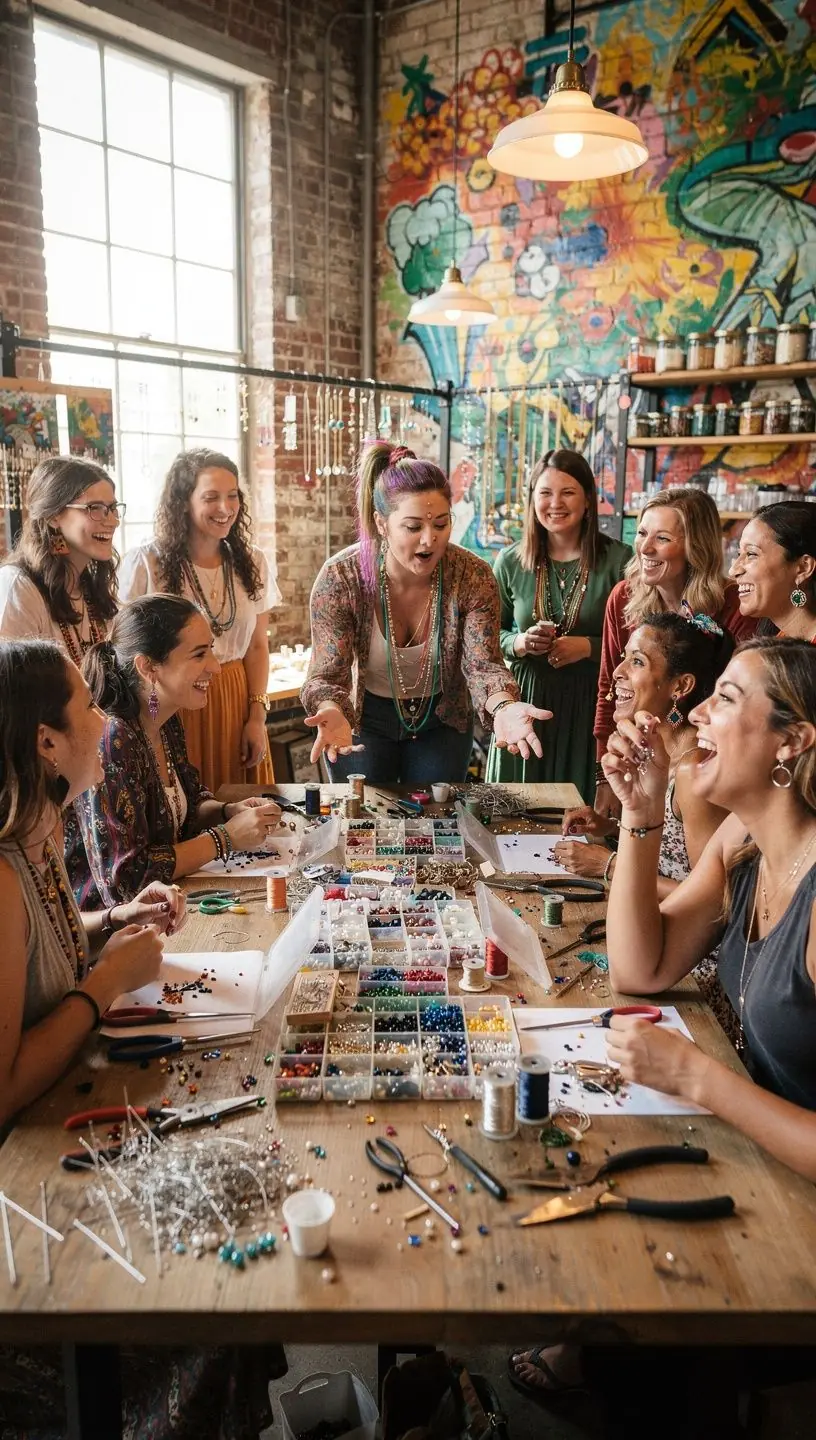
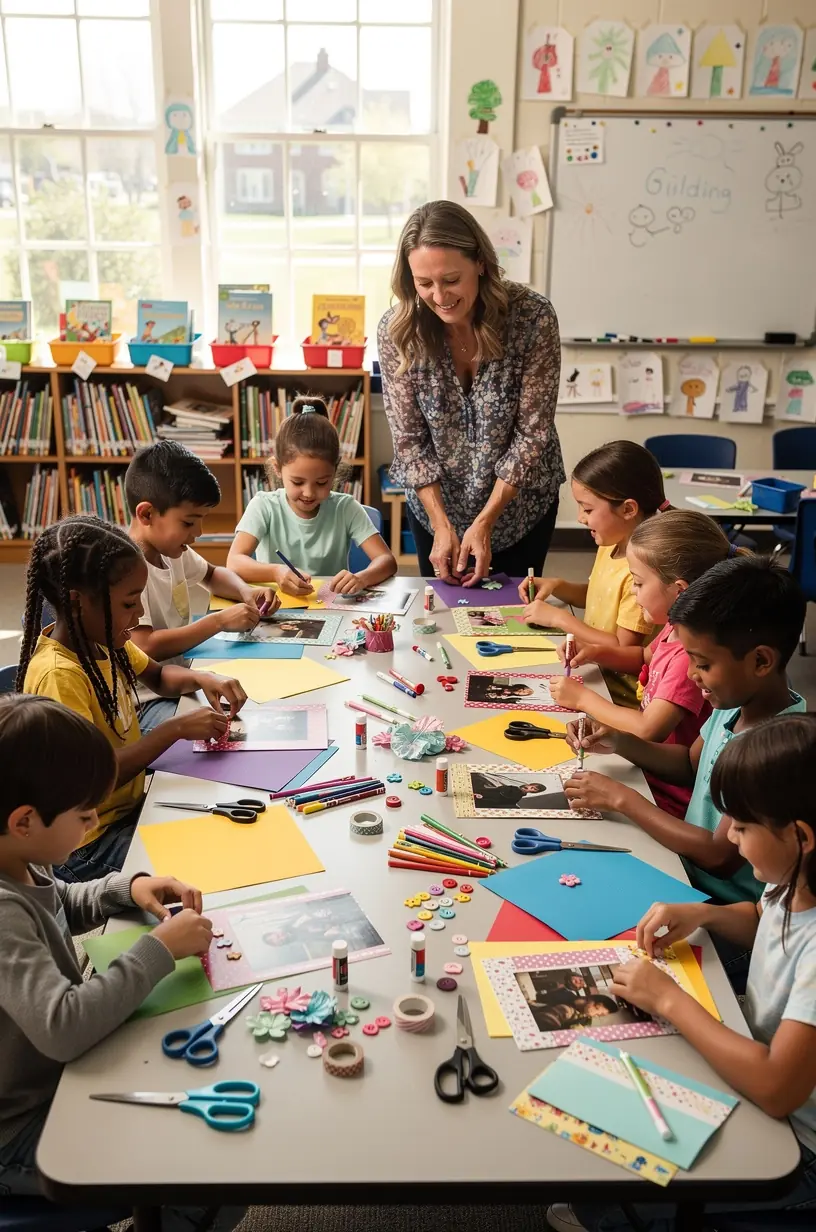
Skill-sharing clubs focus on enhancing members' abilities through collaborative learning. According to research by the American Association of Community Colleges, such clubs foster not only skill development but also strengthen community ties. Members typically share their knowledge in areas such as knitting, pottery, photography, and woodworking, providing a rich tapestry of creative opportunities.

"Crafting together not only cultivates new skills but also enhances social connections, making learning a more enjoyable experience." - Community Learning Expert
Popular Craft Techniques in Skill-Sharing Clubs
Here are some commonly shared techniques that participants can learn and teach in skill-sharing clubs:
- Knitting and Crochet: Often taught in beginner classes, these techniques involve creating fabric from yarn using needles or hooks. Experts recommend starting with simple patterns to build confidence.
- Woodworking: Members frequently share woodworking skills, from basic cutting to advanced joinery. This craft can typically take months to master, as it involves understanding tools and safety.
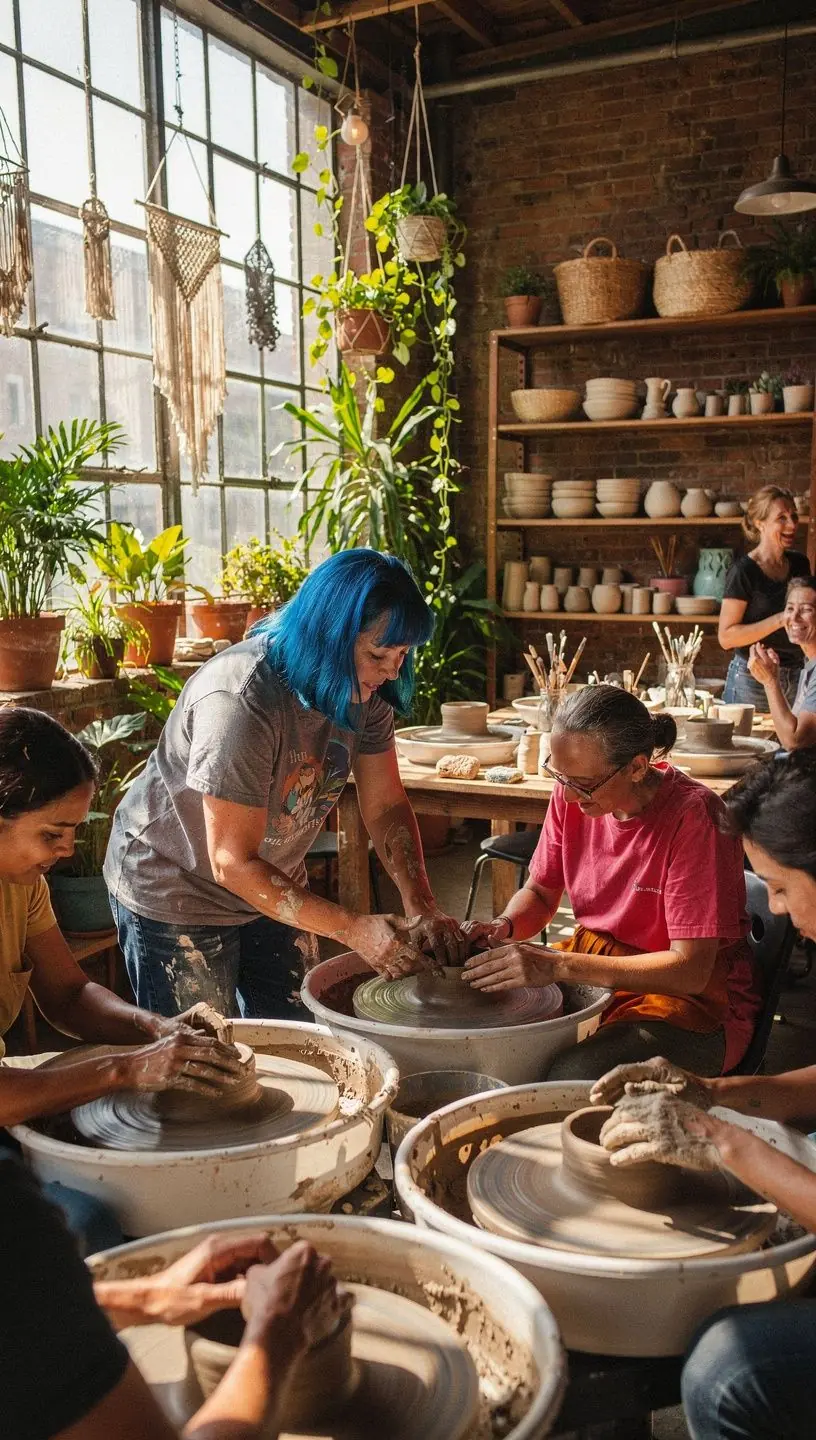
- Pottery: Working with clay offers therapeutic benefits. Introductory classes often cover hand-building techniques, while more advanced sessions may delve into wheel-throwing.
Benefits of Learning Craft Techniques in a Shared Environment
Engaging in craft activities within a skill-sharing club provides numerous benefits:
- Enhanced Learning Experience: Participants often report that learning in a group setting can be more effective than solo practice, as peers provide support and feedback.
- Community Building: These clubs foster connections among members, leading to friendships and collaborative projects that enrich the creative process.
- Skill Diversification: Through exposure to various crafts, participants can discover new interests, broadening their creative horizons.
Acknowledging Limitations and Managing Expectations
While skill-sharing clubs offer valuable learning experiences, it's essential to manage expectations. Mastery of any craft technique typically requires dedication and practice. For instance, members might find that becoming proficient in woodworking or pottery usually takes several weeks to months of consistent effort. Additionally, some techniques may have a steep learning curve, making them less suitable for absolute beginners.
Conclusion
Skill-sharing clubs present a unique opportunity for individuals to explore various craft techniques while building community connections. By understanding the methodologies behind these crafts and acknowledging the time and effort required, participants can set realistic expectations for their learning journey. Ultimately, engaging in these creative activities can lead to enhanced skills, personal growth, and lasting friendships.
Learn More