How to Create Engaging Curriculum for Craft Classes
Designing an engaging curriculum for craft classes can enhance participant satisfaction and learning outcomes. This article explores effective strategies and best practices to develop a curriculum that fosters creativity and skill development.
Understanding the Foundations of an Engaging Curriculum
Creating an engaging curriculum typically involves a clear understanding of your audience's interests and skill levels. According to educational research, tailoring content to meet the participants' needs can significantly improve retention and satisfaction rates. Experts recommend conducting surveys or informal discussions to gather insights on what crafts participants are interested in learning.
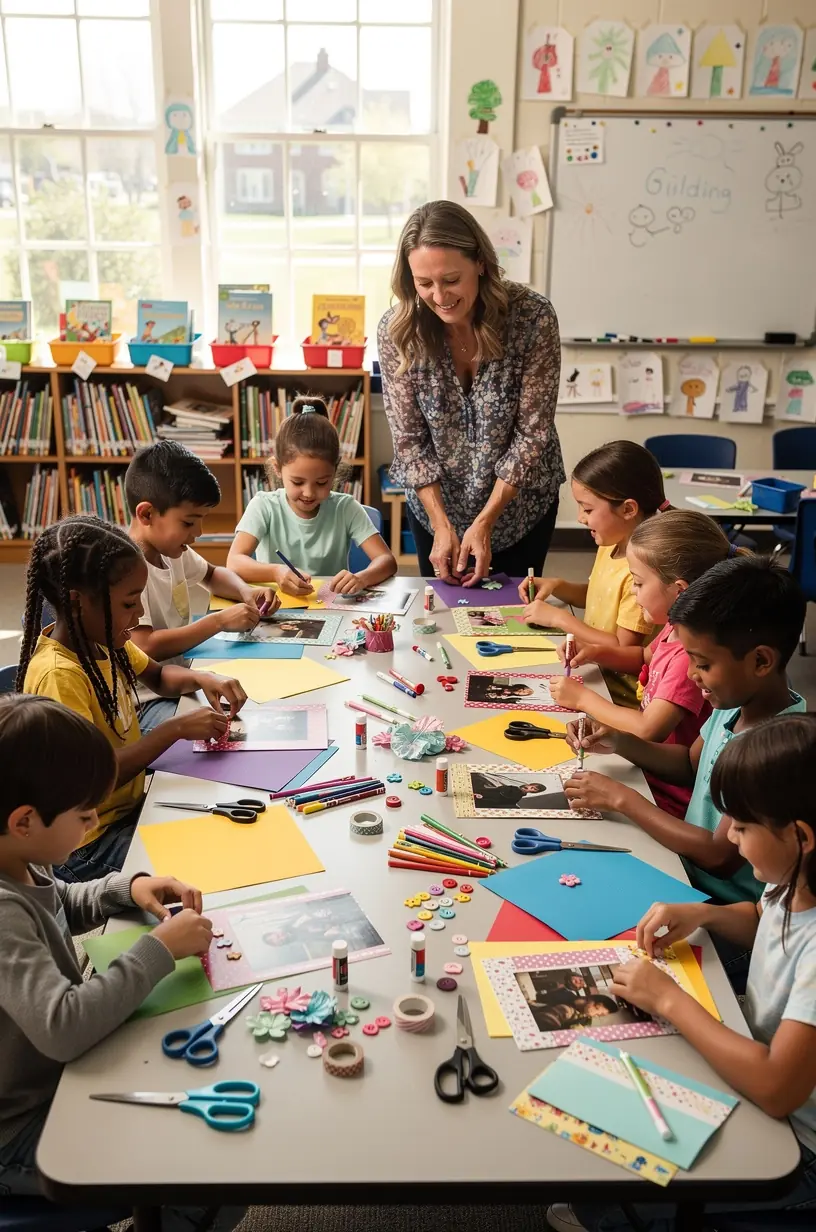
"An effective curriculum not only imparts knowledge but also inspires creativity and confidence in learners." - Craft Education Expert
Key Components of a Successful Craft Curriculum
When developing your curriculum, consider including the following key components:
- Clear Objectives: Establish what you want participants to achieve by the end of the course. Research shows that clear goals can help maintain focus and direction.
- Structured Lessons: Organize your lessons in a logical sequence that builds upon previous skills. Many educators find that scaffolding instruction can enhance learning.
- Interactive Activities: Incorporate hands-on projects that allow participants to practice skills as they learn. Studies indicate that experiential learning often leads to better retention of information.
Methodology for Developing Your Curriculum
The process of creating a curriculum can be divided into several steps:
- Research: Look into current trends in crafting and identify what is popular among your target demographic.
- Drafting: Create a rough outline of your curriculum, including lesson topics, materials needed, and time estimates. This typically requires multiple drafts to refine the content.
- Feedback: Share your curriculum draft with other instructors or potential participants for feedback. Many users report that external input can uncover blind spots and enhance the curriculum's effectiveness.
- Implementation: Run a pilot class to test your curriculum. This phase helps to identify any adjustments needed for future iterations.
Acknowledging Limitations and Setting Realistic Expectations
While a well-structured curriculum can significantly improve the learning experience, it's essential to acknowledge some limitations. Engaging participants typically requires dedication and time; developing a comprehensive curriculum may take several weeks of preparation, including planning lessons and gathering materials. Additionally, some participants may need more practice than others, highlighting the importance of flexibility in your teaching approach.
Conclusion
Creating an engaging curriculum for craft classes is a multifaceted process that involves understanding your audience, structuring lessons effectively, and being open to feedback. By prioritizing educational value and practical strategies, you can design a curriculum that not only teaches skills but also inspires participants to explore their creativity. Remember, the journey of crafting is just as important as the final product, so enjoy the process!